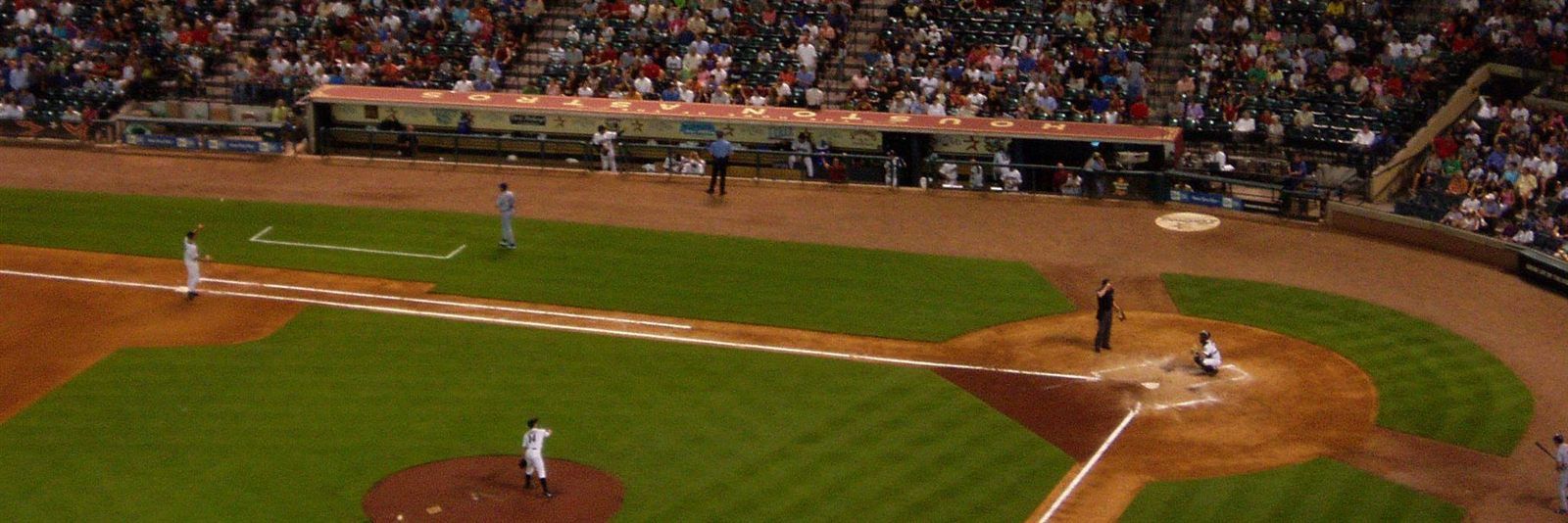
Baseball can feel confusing the first time you watch it. A player hits the ball, people run, then everyone stops. Sometimes nothing changes on the scoreboard for a long time.
The rules are detailed, but the basic idea is simple:
The offense tries to move runners around first, second, and third base, then back to home plate to score. The defense tries to record three outs and end that half-inning.
This is not a full rulebook. It is a beginner guide. MLB has an official Baseball Basics page, and detailed rule references are available through MLB and WBSC. MLB Baseball Basics, MLB Rules glossary, WBSC Official Rules
The Core Logic
| Question | Simple answer |
|---|---|
| Who is on offense? | The team sending batters to hit |
| How do you score? | A runner touches first, second, third, then home plate |
| How does the defense end the turn? | By recording three outs |
| How long is a normal professional game? | Usually nine innings |
| Why does baseball feel slow? | Every pitch changes the choices for the pitcher, batter, runners, and fielders |
Baseball is not constant running. It is a sequence of small confrontations.
The Field
Think of the field as a diamond inside a larger fan-shaped area.
| Area | What it does |
|---|---|
| Home plate | Where the batter starts and where runners score |
| First, second, third base | Safe points that runners try to reach |
| Pitcher's mound | Where the pitcher throws from |
| Infield | Where ground balls and quick throws are handled |
| Outfield | Where long hits and fly balls are defended |
| Fair territory | The area between the foul lines where normal play happens |
| Foul territory | Areas outside the foul lines |
When watching, first ask: where did the ball go, and did the runner reach a base safely?
Scoring Runs
A batter becomes a runner after putting the ball in play or reaching base another way. That runner scores only after safely touching all bases and returning to home plate.
That means a hit does not automatically equal a run. Often, the offense needs several batters to move runners forward.
Home Runs
A home run is the easiest scoring play to understand.
MLB's glossary explains that a home run occurs when a batter hits a fair ball and scores without being put out or benefiting from an error; most home runs are hit over the outfield fence in fair territory. MLB Home Run glossary
| Situation | Result |
|---|---|
| No runners on base | Solo home run, 1 run |
| Runner on first | Two-run home run |
| Bases loaded | Grand slam, 4 runs |
A home run scores the batter and every runner already on base.
Balls, Strikes, Strikeouts and Walks
Each plate appearance has a count.
| Event | Result |
|---|---|
| Pitch in the strike zone, batter does not swing | Strike |
| Batter swings and misses | Strike |
| Batter hits a foul ball | Usually a strike, but a normal foul usually does not create strike three when the batter already has two strikes |
| Pitch outside the strike zone, batter does not swing | Ball |
| Three strikes | Strikeout |
| Four balls | Walk to first base |
| Pitch hits the batter | Usually the batter is awarded first base |
On broadcasts, a count such as 3-2 usually means three balls and two strikes. This is called a full count. The next pitch can change the at-bat dramatically.
How Outs Work
The defense needs three outs to end a half-inning.
| Type of out | What happens | Beginner meaning |
|---|---|---|
| Strikeout | Batter gets three strikes | Pitcher wins the plate appearance |
| Flyout / catch | Ball is caught before it hits the ground | Batter hit it, but the defense caught it |
| Force out | A runner must advance, and the defense gets the ball to the target base first | The defense reaches the runner's required destination first |
| Tag out | A fielder tags a runner with the ball while the runner is off base | The runner is touched while unsafe |
| Other rule outs | Interference or running violations | Advanced details |
Force outs and tag outs are the two terms beginners often mix up.
If a runner is forced to move, the defense can usually record the out by touching the base with the ball. If the runner is not forced, the defense often has to tag the runner.
Hits, Reaching Base and Advancement
A hit occurs when the batter puts the ball in play and reaches base safely by virtue of the batted ball.
| Result | Meaning |
|---|---|
| Single | Batter reaches first base |
| Double | Batter reaches second base |
| Triple | Batter reaches third base |
| Home run | Batter circles all bases and scores |
| Walk | Batter reaches first after four balls |
| Reached on error | Defense makes a mistake; this may not count as a hit |
Think of baserunners as resources. The more runners on base, the more dangerous the next hit becomes.
Innings and Half-Innings
A professional baseball game usually has nine innings. Each inning has two halves.
| Half-inning | Team batting |
|---|---|
| Top half | Away team |
| Bottom half | Home team |
When the batting team makes three outs, the half-inning ends. After nine innings, the team with more runs wins. If the game is tied, it goes to extra innings.
This is why the bottom of the ninth can be so dramatic. The home team may have the last chance to tie or win.
What to Watch After the Ball Is Hit
Use this checklist:
- Did the ball land in fair territory?
- Did a fielder catch it before it hit the ground?
- Did the batter reach first base safely?
- Did any runners advance or score?
- What is the new out count and base situation?
Baseball becomes much easier once you follow the situation, not just the ball.
Baseball vs Softball
Baseball and softball share the same basic logic: hit, run, defend, record outs, score runs. The details vary.
| Item | Baseball | Softball |
|---|---|---|
| Ball | Smaller and harder | Usually larger |
| Field | Usually larger | Usually smaller |
| Pitching | Commonly overhand | Commonly underhand |
| Pace | Longer base paths | Faster reaction time |
| Rules | Similar foundation, different details | Depends on competition rules |
If you understand baseball first, softball becomes much easier to follow.
Beginner Glossary
| Term | Meaning |
|---|---|
| Home plate | Scoring point and batting start |
| Base | Safe point for a runner |
| Strike | Good pitch, swing-and-miss, or many foul balls |
| Ball | Pitch outside the zone without a swing |
| Strikeout | Three strikes |
| Walk | Four balls, batter goes to first |
| Hit | Batter reaches safely from a batted ball |
| Home run | Batter and runners score after a fair ball, usually over the fence |
| Flyout | Ball caught before landing |
| Force out | Forced runner beaten to the base |
| Tag out | Runner tagged while off base |
FAQ
Why does a foul ball not always create an out?
A foul ball usually counts as a strike, but a normal foul ball usually does not become strike three when the batter already has two strikes. There are exceptions in official rules, such as foul bunts.
Why are runners sometimes forced to run?
Because two runners cannot safely occupy the same base. If the batter must go to first and first base is occupied, the runner ahead may be forced forward.
Why can a home run be worth one run or four runs?
It depends on how many runners are already on base. A home run scores the batter plus all baserunners.
Why are baseball scores often low?
Because scoring requires reaching base and advancing, while the defense only needs three outs to end the half-inning.
Should beginners watch the pitcher or batter?
Start with the result of the batted ball and the base situation. Later, you can study pitch types, sequencing, and strike-zone strategy.
Conclusion
Baseball looks complicated because official rules cover many small situations.
For beginners, start with four ideas:
- A run scores only when a runner returns to home plate.
- Three outs end a half-inning.
- Three strikes make a strikeout; four balls make a walk.
- Every batted ball changes the base situation.
Once you understand outs, bases, and the count, baseball stops looking slow. It becomes a chain of risk calculations.
That is the fun of the sport: every pitch changes the answer.