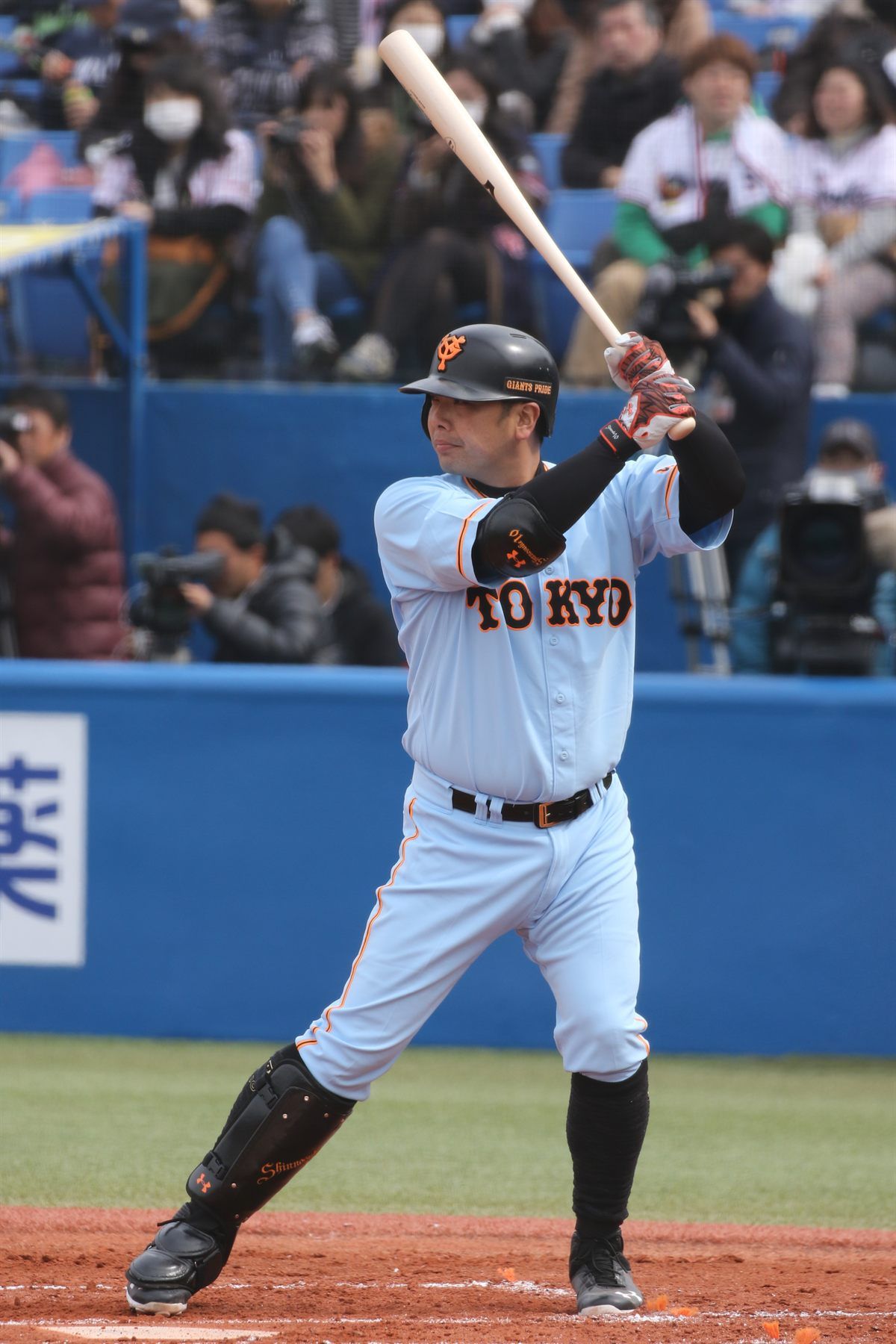
On May 25, 2026, Shinnosuke Abe, then manager of the Yomiuri Giants, was arrested by Tokyo police on suspicion of assaulting his 18-year-old daughter at home. The news spread quickly because Abe is not just another baseball figure. He is a former Giants star catcher, a former captain, and the man who had taken over as first-team manager in 2024.
But this story needs careful handling.
The source video is a short news clip. Since then, several important updates have been reported: Abe was released, he resigned as manager, and Nippon Professional Baseball announced an acting manager arrangement for the Giants.
The better question is not simply "what happened?" It is: what is confirmed, what remains an allegation, and why did the Giants have to respond so quickly?
Timeline of Confirmed Public Developments
| Date | Development | Sources |
|---|---|---|
| May 25, 2026 | Abe was arrested on suspicion of assaulting his 18-year-old daughter at home in Tokyo's Shibuya Ward | AP, The Japan Times, nippon.com/Jiji |
| May 26, 2026 | Reports said Abe was released and announced his resignation as Giants manager | AP, The Japan Times |
| May 26, 2026 | NPB announced that offensive chief coach Hideki Hashigami would serve as acting manager | NPB official announcement |
| May 27, 2026 | Japanese media continued reporting the unusual detail that Abe's daughter said she consulted ChatGPT before contacting a child guidance center | AP, The Japan Times |
One legal distinction matters: public reports describe an arrest and an allegation. They do not equal a final court judgment.
That distinction is not a defense of anyone's behavior. It is a requirement for responsible coverage.
What Reliable Sources Say
AP reported that Abe was later released and apologized at a Tuesday news conference where he announced he was stepping down. AP also reported, citing Yomiuri, that Abe allegedly grabbed his 18-year-old daughter by the collar and forced her to the floor while trying to stop a fight between his daughters.
The Japan Times also reported that Abe resigned after being arrested on suspicion of assaulting his 18-year-old daughter at home in Shibuya Ward.
nippon.com/Jiji reported the arrest on suspicion of assault on May 25.
Most importantly for the baseball side, NPB officially announced that Hideki Hashigami, the Giants' offensive chief coach, would act as manager in Abe's place.
Taken together, the public facts are:
- Abe was arrested on suspicion of assault;
- he was later reported to have been released;
- he resigned as Giants manager;
- the Giants moved to an acting manager;
- the legal facts should still be described cautiously as allegations unless and until a final legal outcome is established.
Why This Hit the Giants So Hard
The Yomiuri Giants are one of Japanese baseball's most symbolic franchises. The manager is not merely a tactical leader. He is also a public representative of the club's culture and reputation.
Abe's profile made the shock larger.
| Role | Why it mattered |
|---|---|
| Former Giants star catcher | He was a familiar and trusted figure to fans |
| Former captain | He had represented discipline and team identity |
| First-team manager since 2024 | He held the club's most visible leadership role |
| Resignation during the season | The team had to protect continuity while handling a public crisis |
When the person involved is the manager, the issue cannot be treated only as private life. The club has to manage legal risk, public trust, player morale, sponsor confidence and competitive continuity at the same time.
That is why the acting-manager announcement mattered. The schedule continues even when the organization is in crisis.
Why It Is Not Just a "Family Matter"
A common argument in sports scandals is that family disputes should remain private. Privacy matters, especially for family members who did not choose public life.
But once an allegation leads to police action and affects the head coach of a major professional team, the organization must respond.
The key questions are:
- Can the manager still lead the team day to day?
- Does the club need to explain its standards to fans, players and sponsors?
- How can the privacy of family members be protected?
- How can coverage avoid turning a family member into a public spectacle?
- How should the club act before the legal process is fully complete?
Resignation or suspension in this context is not the same thing as a court judgment. It is often an organizational risk decision.
The ChatGPT Detail Should Not Distract From the Core Issue
AP and The Japan Times reported that Abe's daughter said she consulted ChatGPT before contacting a child guidance center.
That detail is unusual, but it should not become the entire story.
The more useful lesson is that young people facing family conflict may now turn to AI tools when they are unsure what to do. But AI does not replace real-world support systems. In cases involving possible domestic violence or personal safety, professional services, child guidance centers, police, legal advice and medical support remain the important channels.
In other words, this was not simply "ChatGPT caused an arrest." The official intervention came through real institutions.
How Readers Should Evaluate Viral Sports Scandal Clips
Short videos can be useful alerts, but they are rarely enough.
| Question to ask | Why it matters |
|---|---|
| Is the report confirmed by major outlets or official bodies? | Avoid relying only on reposted clips |
| Is the legal status "alleged" or "convicted"? | Those are very different claims |
| Has the story updated with resignation, release, suspension or official action? | Fast-moving stories change quickly |
| Are family members' identities being protected? | Privacy and safety matter |
In this case, the strongest public sources are AP, The Japan Times, Jiji/nippon.com and the NPB announcement.
What Comes Next for the Giants
On the field, the Giants now have to stabilize under acting manager Hideki Hashigami.
That creates three immediate challenges:
- Tactical continuity: the staff must avoid making players feel the baseball plan has collapsed.
- Clubhouse communication: a sudden leadership change requires a new emotional rhythm.
- Public pressure: every game will be interpreted through the crisis until the team restores normality.
This is not only a baseball problem and not only a public-relations problem. It is both.
Conclusion
The Shinnosuke Abe case is not valuable as gossip. It is important because it shows how quickly private conduct, legal allegations and professional sports leadership can collide.
The most responsible way to understand it is simple:
- keep the wording legally careful;
- do not sensationalize family details;
- rely on credible sources and official announcements;
- recognize why the Giants had to act quickly;
- separate human privacy from public accountability.
For the Yomiuri Giants, Abe's resignation is only the first step. The harder task is rebuilding stability during the season while Japanese baseball continues to reckon with how it handles misconduct allegations involving famous figures.
FAQ
Has Shinnosuke Abe been convicted?
Public reports describe an arrest on suspicion of assault, his later release and his resignation. Unless a final legal outcome is reported, the careful wording is "alleged" or "on suspicion of."
Why did he resign?
AP and other outlets reported that Abe apologized and announced he was stepping down after his release. The Giants then moved to an acting-manager arrangement.
Who is managing the Giants now?
NPB announced on May 26, 2026, that Hideki Hashigami, the team's offensive chief coach, would serve as acting manager.
What role did ChatGPT play?
AP and The Japan Times reported that Abe's daughter said she consulted ChatGPT before contacting a child guidance center. The official intervention, however, came from real-world institutions.